Accidents – claims settlement, liability & insurance
A brief moment of inattention, a crash – and suddenly everything changes. After a road accident, those affected face a host of complex questions: who is actually liable? What claims do I have? How should I deal with the other party's insurer?
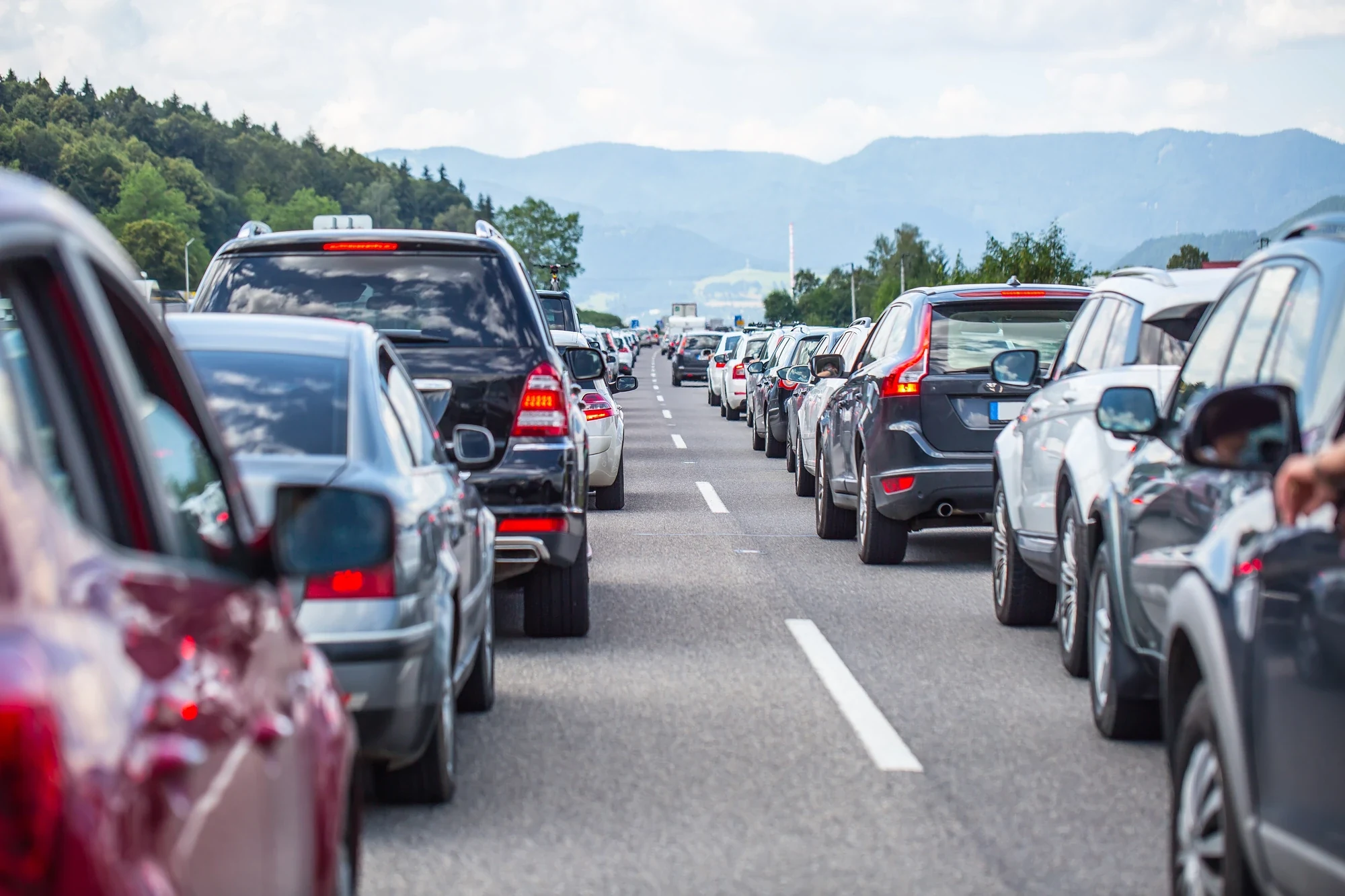
Settling accident claims is now a highly complex field. While injured parties are often left in the dark, insurers have specialist legal departments familiar with every tactic for reducing payouts. Without professional assistance, you risk being left with valid claims unpaid.
Insurers have decades of experience and view claims handling purely in economic terms. Even when the facts appear clear, the smallest amounts are often disputed all the way to the highest court.
Fault is rarely black and white. Although moving traffic generally has priority, the duty of mutual consideration always applies (§ 1 StVO).
Principle of legitimate reliance: A road user with priority may rely on others respecting that priority.
Prohibition on forcing priority: Under § 11(3) StVO, however, priority must not be forced. In urban traffic, vehicles must be allowed to enter and move off to keep traffic flowing.
These nuances often determine liability shares, which can be disputed even in seemingly clear-cut accidents.
Matters become particularly difficult when insurers reduce benefits or even allege staged accidents. Such cases often create conflicts of interest between the liability insurer and the insured person. We guide you safely through these complex situations – from the 130% threshold in total-loss cases to optimising recovery through the insured person's preferential recovery right (Quotenvorrecht) in cases of contributory fault.
The good news for you: If you are not at fault for an accident, the other party's liability insurer must cover your legal fees in full. Because laypeople can hardly handle claims with legal certainty, legal advice is regarded as a necessary component of compensation.
Alongside civil-law matters, we also represent you when the state intervenes. We defend you in cases involving:
Road traffic offences: Leaving the scene of an accident without authorisation (§ 142 StGB), drink-driving (§ 316 StGB), endangering road traffic (§ 315c StGB) or coercion (§ 240 StGB).
Driving licence law: Where revocation of your driving licence (§ 69 StGB) is threatened or reissue causes difficulties, for example after an order to undergo a medical-psychological assessment (MPU).
- Repair/replacement costs
- Diminution in value
- Loss of use/replacement hire car
- Challenging unjustified reductions
- Expert assessment costs
- Compensation for pain and suffering
- Loss of earnings
- Compensation for impaired ability to perform household work